From the first to the last day of August 2023, I had the incredible opportunity to complete an internship at RIGFLOWER Company in Ben Aknoun, Algiers. Our primary project focused on developing an AI-based cartography system for optimizing Colza and Sunflower cultivation in Algeria.
We created an AI system that predicts the best crops to plant in specific areas by analyzing weather data, including wind direction and speed, rainfall, soil conditions, climate, and more. The data was stored locally and sent to the cloud in real-time. The results were displayed on a web app, featuring an interactive map of Algeria showing recommended crops for each region.
We leveraged cutting-edge machine learning algorithms to analyze weather and soil data, providing real-time recommendations for crop selection. Our goal is to empower farmers with data-driven insights, enhancing crop yields and sustainable agriculture practices.
The software part of our project was equally critical. We used Django and other web development technologies to create a web app that displays the recommendations generated by our AI system. This app features an interactive map of Algeria, showcasing the best crops to plant in each region based on real-time weather and soil data.
Our AI-based cartography system analyzes weather and soil data, including wind, rainfall, soil conditions, and climate. Using machine learning algorithms, it recommends the best crops for specific regions in Algeria. The results are displayed on an interactive map, empowering farmers with data-driven insights for optimized crop cultivation.
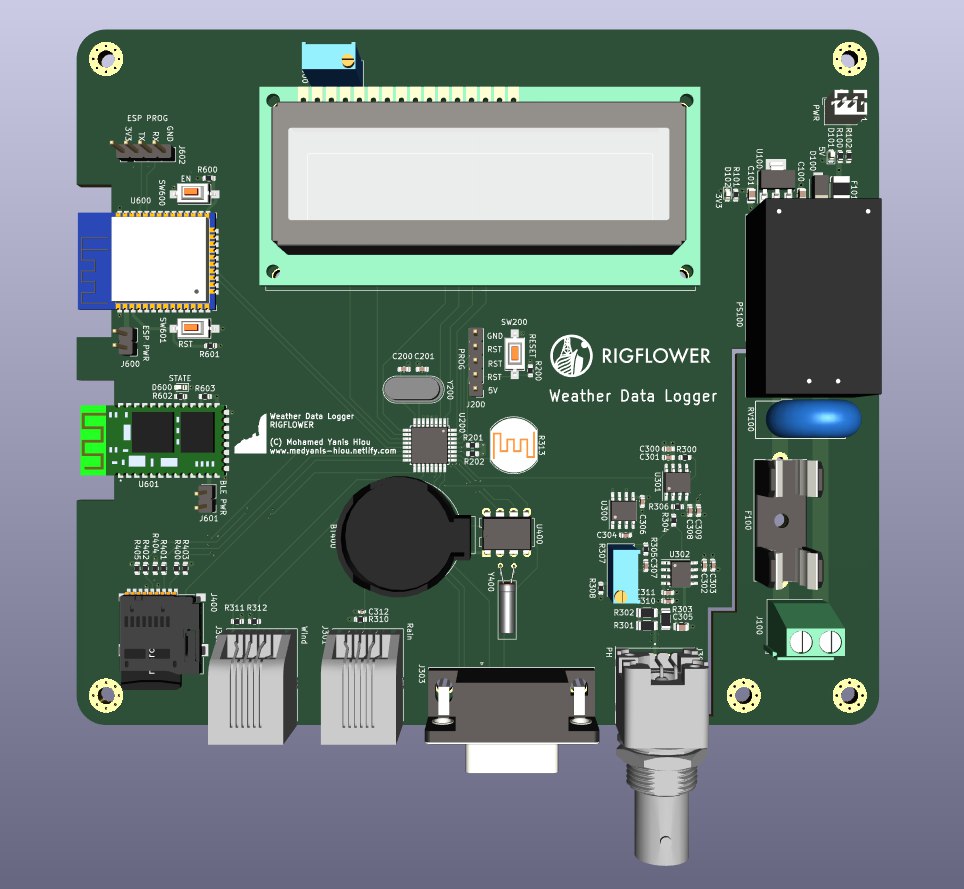
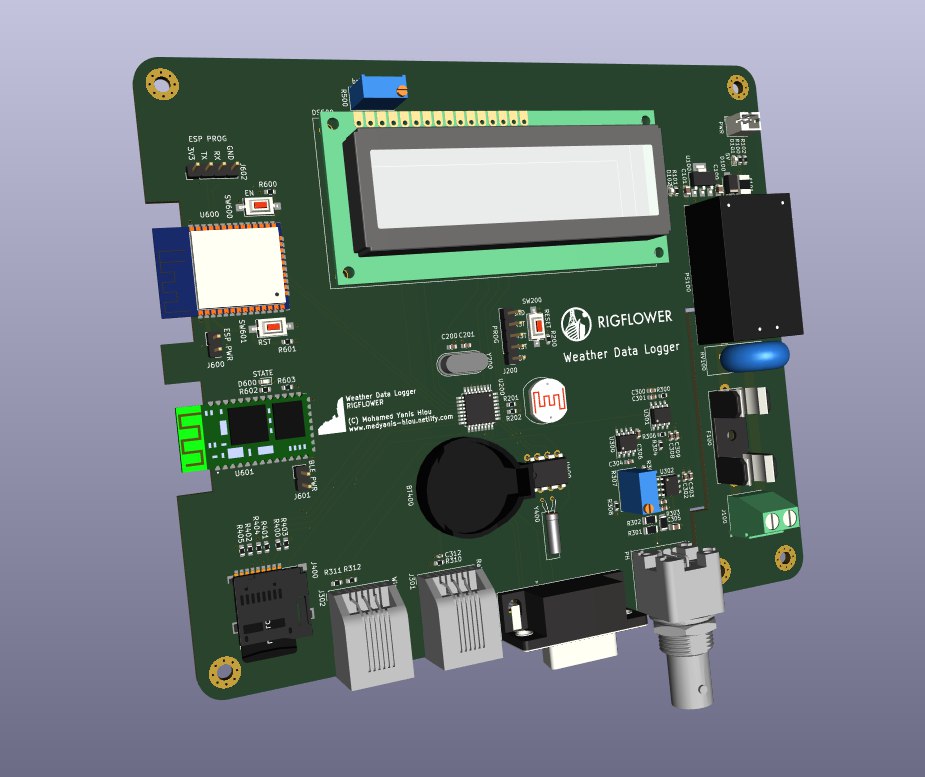
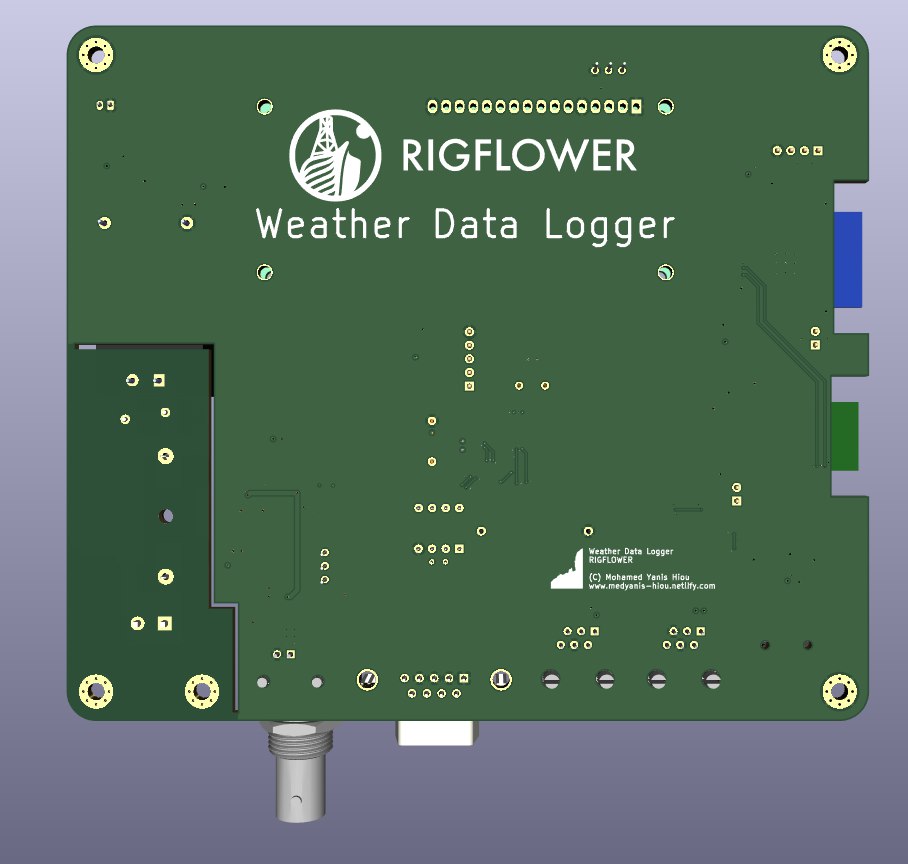
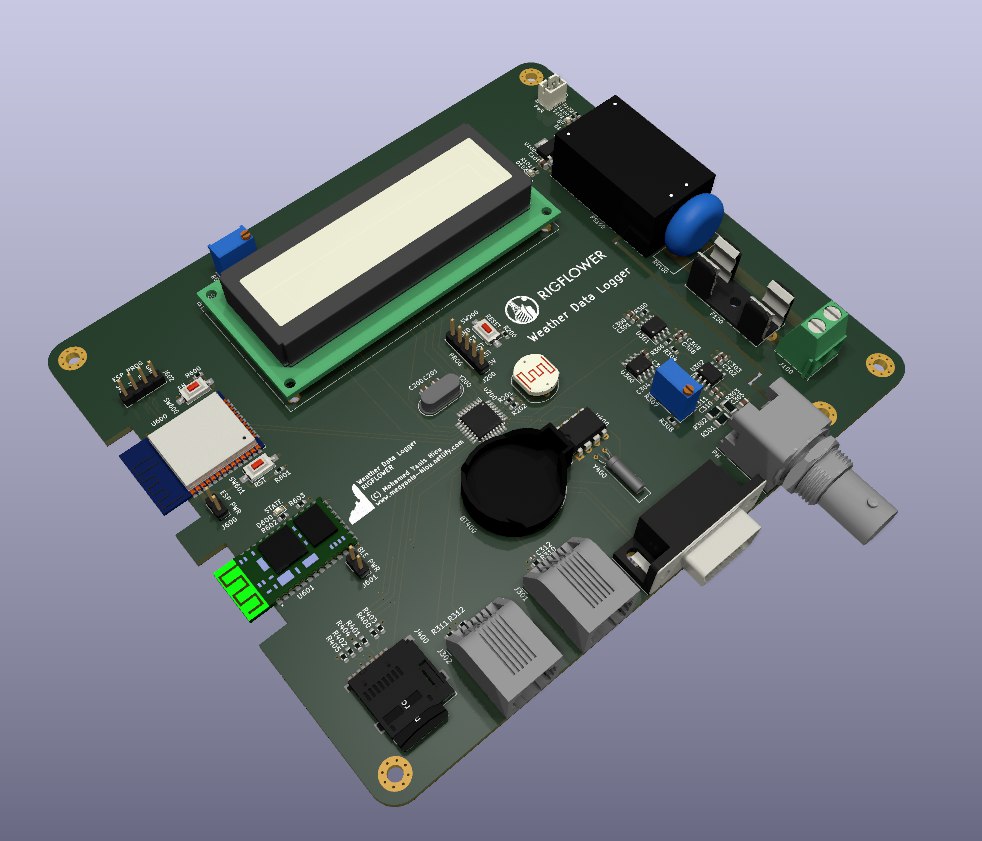
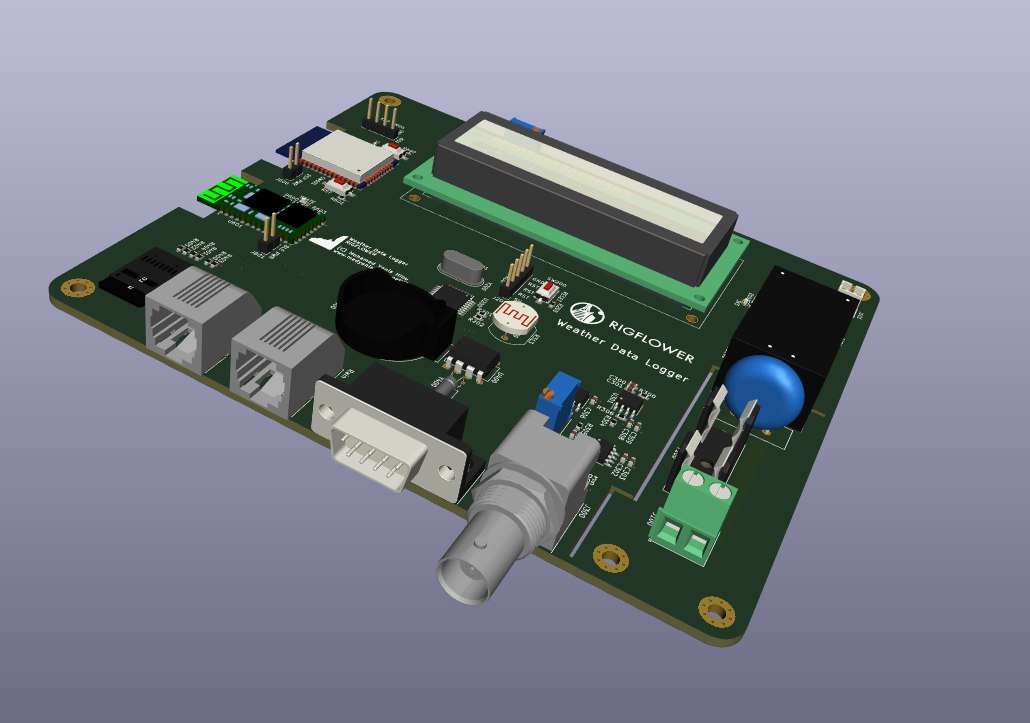
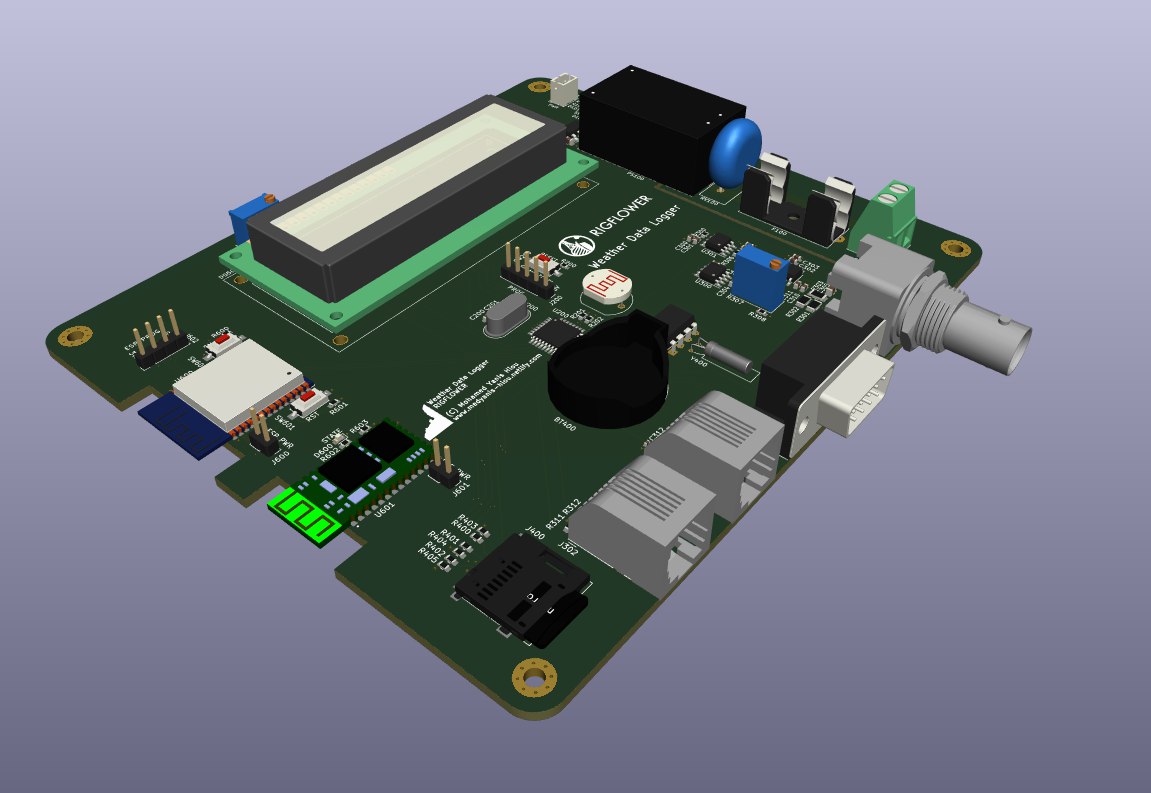
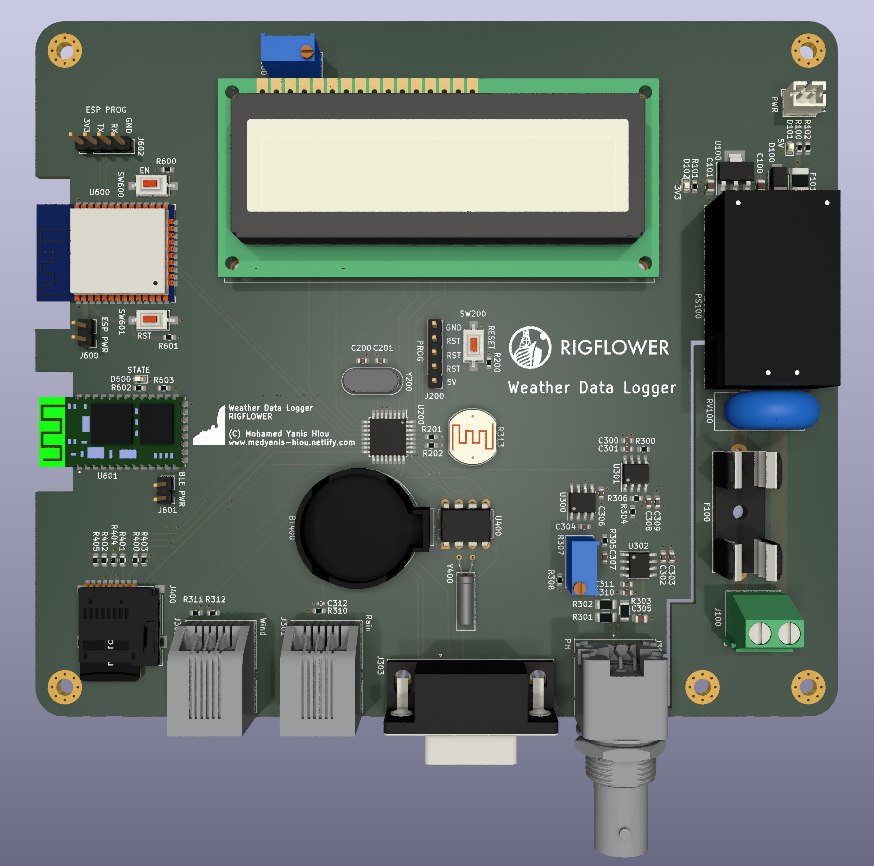
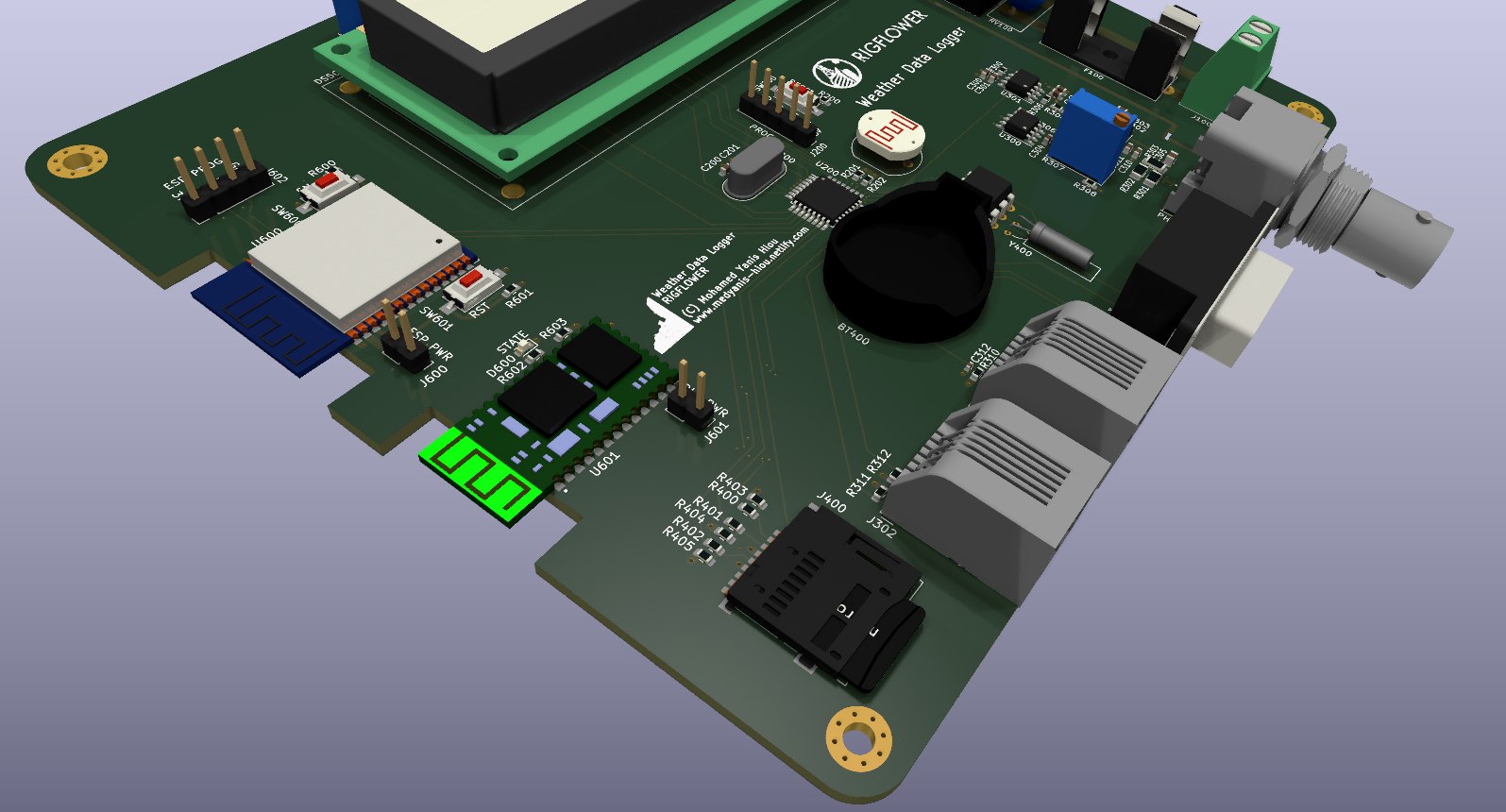
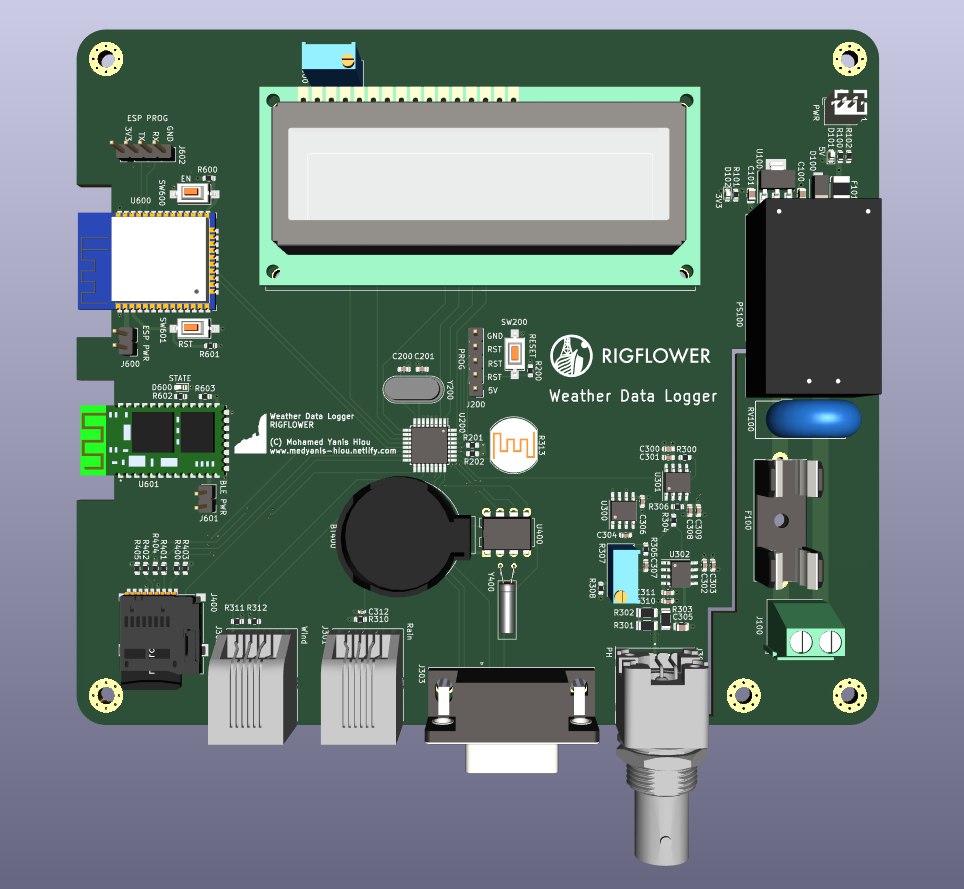
The hardware for our project was meticulously designed with KiCAD. It includes essential sensors and components such as a pH sensor (BCN connector), wind speed/direction and rainfall sensors (RJ-11 connectors), climate temperature/humidity sensor, soil temperature/moisture sensors, LDR sensors, Real-Time Clock system, micro SD card connector, and an LCD to display time, battery level, and weather data.
The STM32C0 MCU series was chosen to control the board, with SWD programming capability. We also incorporated the ESP32 WROOM module for cloud connectivity and IoT capabilities. Additionally, a Bluetooth module was added for wireless communication. The board can be powered via a 220VAC plug or a rechargeable Li-ion battery charged by a solar panel.